
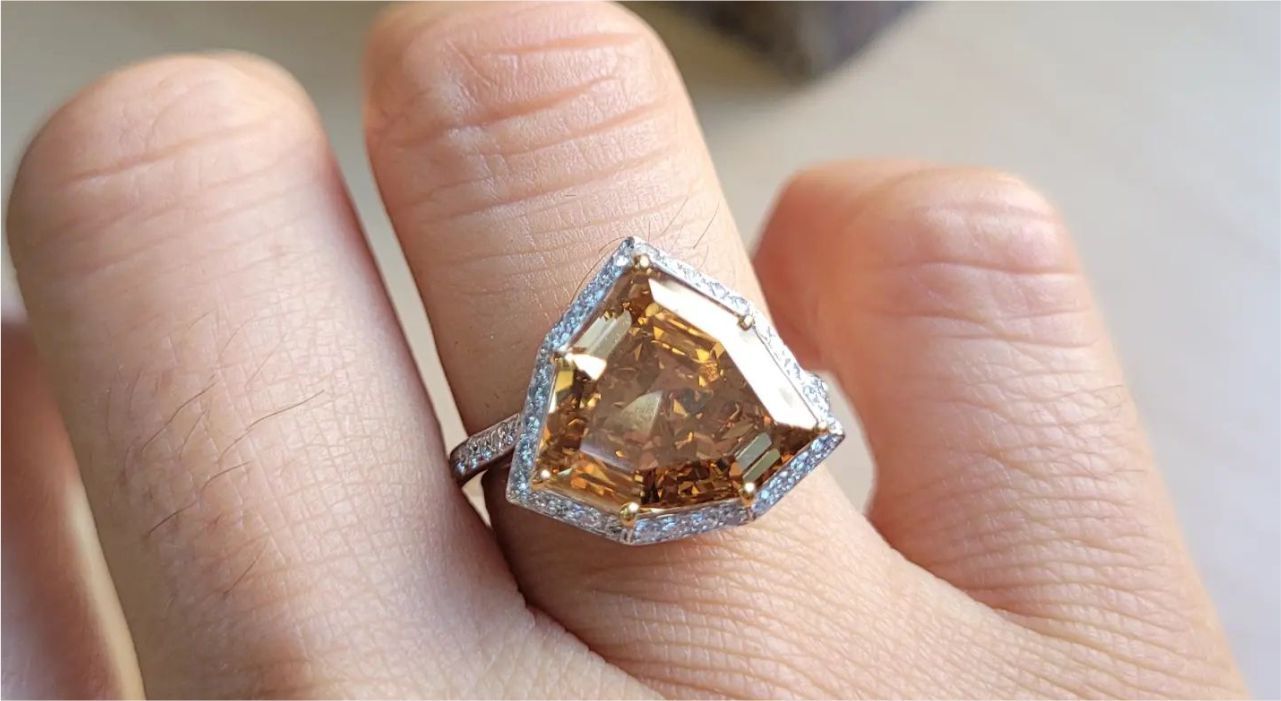
Modern Romance: Why Brown Diamond Engagement Rings Are Trending
A brown diamond engagement ring is no longer an unconventional choice—it’s a refined, stylish, and increasingly popular alternative to traditional white diamonds. With their earthy tones, warm brilliance, and distinctive character, brown diamonds offer a compelling blend of luxury and individuality. This guide explores everything you need to know, from their origins and symbolism to sizing conversions and expert buying advice.
Table of Contents
ToggleWhat Is a Brown Diamond?
Brown diamonds are natural diamonds that display hues ranging from light champagne to deep chocolate. Unlike colorless diamonds, their color results from structural distortions in the crystal lattice rather than impurities.
Shades of Brown Diamonds
- Champagne (light brown)
- Cognac (medium to deep brown)
- Chocolate (rich, dark brown)
- Coffee and earthy tones
These variations allow for a broad aesthetic spectrum, making them highly versatile for engagement rings.
Why Choose a Brown Diamond Engagement Ring?
1. Unique Aesthetic Appeal
Brown diamonds stand out. Their warm tones complement both vintage and modern settings, making them ideal for individuals seeking something distinctive.
2. Affordability
Compared to traditional white diamonds, brown diamonds are often more affordable, allowing buyers to opt for larger stones or more intricate designs.
3. Versatility in Design
Brown diamonds pair beautifully with:
- Rose gold for a romantic look
- Yellow gold for vintage charm
- White gold or platinum for contrast
4. Symbolism
Brown diamonds symbolize:
- Stability
- Grounded love
- Strength and resilience
Popular Styles for Brown Diamond Engagement Rings
Solitaire Settings
A single brown diamond as the centerpiece emphasizes its natural beauty.
Halo Settings
Surrounding the brown diamond with white diamonds enhances brilliance and contrast.
Vintage-Inspired Rings
Filigree and intricate detailing pair well with the earthy tones of brown diamonds.
Three-Stone Rings
Symbolizing past, present, and future, this style works beautifully with mixed diamond colors.
Understanding Diamond Quality (The 4 Cs)
Color
In brown diamonds, deeper and richer tones are often more desirable.
Clarity
Most brown diamonds have inclusions, but these are less noticeable due to the darker color.
Cut
A good cut maximizes brilliance, especially important for darker stones.
Carat
Because they are more affordable, buyers can often choose larger carat sizes.
Ring Size Conversion: US to UK and Vice Versa
When buying internationally, understanding sizing is essential.
Common Conversion Terms
- US ring size to UK
- US to UK ring size
- UK to US ring size
- UK ring size to US
Basic Conversion Guide
| US Size | UK Size |
|---|---|
| 5 | J 1/2 |
| 6 | L 1/2 |
| 7 | N 1/2 |
| 8 | P 1/2 |
| 9 | R 1/2 |
Always confirm sizing with a jeweler, as slight variations can occur.
Choosing the Right Metal
Rose Gold
Enhances the warmth of brown diamonds.
Yellow Gold
Creates a vintage, antique look.
White Gold / Platinum
Provides contrast, making the diamond appear more vibrant.
Ethical and Sustainable Considerations
Many brown diamonds come from Australia’s Argyle mine (now closed), which historically supplied a significant portion of the world’s colored diamonds.
To ensure ethical sourcing:
- Look for conflict-free certification
- Consider lab-grown brown diamonds as an alternative
Custom Design Options
Designing a custom ring allows complete personalization. Renowned designers like Harriet Kelsall specialize in bespoke engagement rings, offering tailored designs that highlight the uniqueness of brown diamonds.
How to Care for a Brown Diamond Ring
- Clean regularly with mild soap and warm water
- Avoid harsh chemicals
- Store separately to prevent scratches
- Have it professionally inspected annually
Investment Value
While brown diamonds are generally less expensive, rare shades (especially deep cognac tones) can appreciate in value over time. However, they are best viewed as emotional investments rather than purely financial ones.
Pros and Cons
Pros
- Unique and distinctive
- More affordable than white diamonds
- Wide range of colors and styles
Cons
- Lower resale value compared to colorless diamonds
- Less traditional (may not appeal to everyone)
FAQs About Brown Diamond Engagement Rings
1. Are brown diamonds real diamonds?
Yes, they are 100% natural diamonds with a unique color caused by internal structure.
2. Are brown diamonds cheaper?
Generally, yes—they are more affordable than colorless diamonds of similar size and quality.
3. Do brown diamonds sparkle?
Yes, though their sparkle is subtler and warmer compared to white diamonds.
4. What is the most popular shade?
Champagne and chocolate brown are among the most popular.
5. Are they suitable for engagement rings?
Absolutely—they are durable and symbolically meaningful.
6. How do I convert US ring size to UK?
Use a conversion chart or consult a jeweler for precise measurement.
7. Is there a difference between US to UK ring size and UK to US ring size?
Yes, they use different systems—numerical vs alphabetical.
8. Can I resize a brown diamond ring?
Most rings can be resized, depending on the setting and metal.
9. Are lab-grown brown diamonds available?
Yes, they are a sustainable and often more affordable option.
10. Do brown diamonds fade over time?
No, their color is permanent and will not fade.
11. Where can I buy custom brown diamond rings?
Specialist jewelers like Harriet Kelsall offer bespoke services.
Final Thoughts
A brown diamond engagement ring is a sophisticated and meaningful choice for those who value individuality and warmth in their jewelry. With a wide range of hues, affordability, and design flexibility, it offers a refreshing alternative to traditional engagement rings. Whether you’re navigating US ring size to UK conversions or exploring bespoke designs, this option provides both beauty and substance.
If you’re aiming for a ring that reflects personality and timeless elegance, a brown diamond might be exactly what you’re looking for.


